

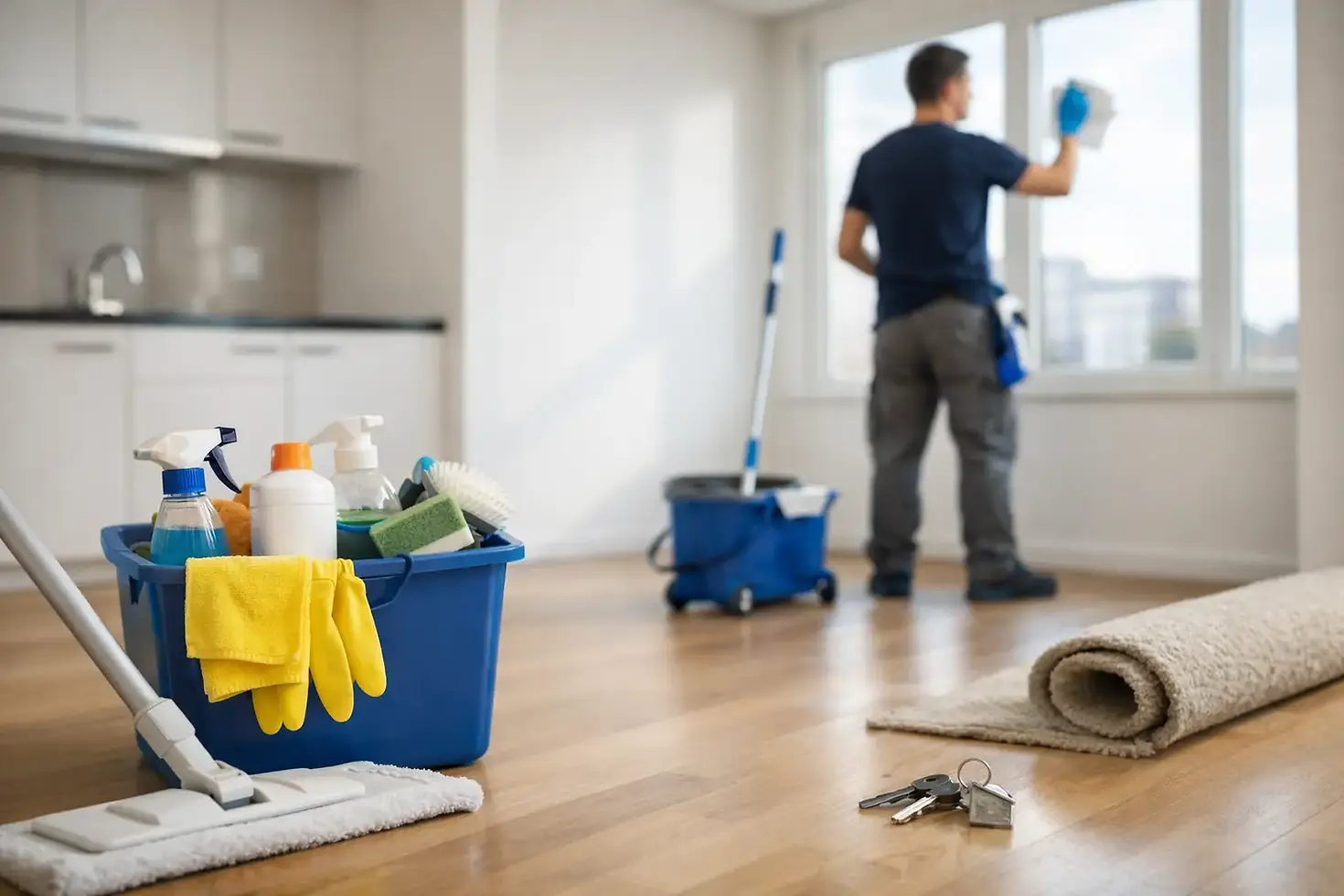
Landlord End Tenancy Cleaning Guide

A property can look tidy at first glance and still fail the handover test. Grease hidden on extractor filters, odours trapped in carpets, limescale on taps and marks on skirting boards all shape how a new tenant views the home. That is why a solid landlord end tenancy cleaning guide matters - not as a box-ticking exercise, but as part of protecting your asset, reducing void periods and avoiding disputes over standards.
For landlords, the real goal is simple. You want the property returned to a presentable, hygienic condition that supports quick re-letting and reflects proper upkeep. That does not always mean chasing perfection. It means knowing what counts, where problems usually sit, and when professional cleaning is the smarter option.
What landlords should expect at end of tenancy
A reasonable standard is the benchmark, not brand-new condition. Wear and tear still applies, and that distinction matters. A scuffed hallway in a heavily used family home is different from sticky kitchen cupboards, ingrained bathroom grime or stained flooring that has been left untreated.
The best approach is to compare the condition at check-out against the original inventory, then assess cleanliness room by room. If the property was professionally cleaned before move-in, and the tenancy agreement makes that clear, you are in a stronger position when asking for the same standard on return. If records are vague, expectations become harder to enforce.
Photos, check-in reports and a clear inventory are what turn cleaning from a subjective debate into an evidence-based process. Without them, even obvious issues can become difficult to prove.
A room-by-room landlord end tenancy cleaning guide
The kitchen usually decides whether a property feels genuinely clean. Worktops, cupboard fronts and sinks are the obvious areas, but landlords should look beyond surfaces. Ovens, hobs, splashbacks, extractor fans and fridge seals collect grease quickly. Inside cupboards and drawers often reveal crumbs, spills and sticky residue that tenants miss during a rushed clean.
White goods need close attention. A fridge can look spotless from the outside but still hold odours and mould around seals and drawers. Washing machine detergent trays and rubber seals are another common problem area. If appliances are included in the tenancy, their condition affects both presentation and hygiene.
Bathrooms show neglect even faster. Limescale on taps, soap residue on shower screens, mould around seals and marks inside toilets are all immediate red flags. Here, detail matters. A bathroom that smells fresh and looks bright gives incoming tenants confidence that the property has been properly cared for.
Living rooms and bedrooms are often more straightforward, but soft furnishings and flooring change the picture. Dust on skirting boards, fingerprints on light switches, cobwebs in corners and marks on internal glass are common misses. Carpets can hold dust, pet hair, odours and stains long after the room appears clean. If there has been heavy use, pets or visible staining, deeper treatment is usually worth arranging before viewings begin.
Hallways, stairs and landings deserve more attention than they get. These are high-traffic areas, so dirt builds up fast around edges and on fibres. First impressions often start there, not in the kitchen or lounge.
The areas most often missed
Landlords and tenants alike tend to focus on eye-level cleaning. The trouble is that check-outs rarely stop there. Skirting boards, internal doors, door frames, plug sockets, radiators, window ledges and behind furniture often tell a different story.
Inside bins, under beds, tops of wardrobes and the areas behind toilets or freestanding appliances are regularly overlooked. So are light fittings and extractor covers. These details matter because they create the overall impression of care. A property does not need to be flawless, but if multiple small areas are dirty, the whole home feels poorly managed.
Odour is another issue landlords should never ignore. Cooking smells, smoke residue, damp smells and pet odours can linger even when surfaces seem clean. They can also put off prospective tenants immediately. Smell is one of the hardest problems to solve with basic DIY cleaning, especially when it has settled into carpets, upholstery or underlay.
DIY cleaning versus professional cleaning
There are times when a thorough tenant clean is enough. If the tenancy was short, the property has hard flooring throughout and the condition is generally good, a well-executed clean may meet the required standard.
But some jobs are simply not realistic without specialist equipment, training and the right products. Heavily used carpets, stubborn staining, odour removal and sanitation-focused cleaning often need more than supermarket sprays and a hired machine. The risk with DIY is not just poor results. It is wasted time, repeat cleaning and delayed marketing while issues are put right.
Professional cleaning also helps when turnaround time is tight. If you need to move from check-out to viewings quickly, speed and consistency matter. A trained team can work through the property methodically and spot issues that an untrained eye misses.
For landlords managing multiple properties, that consistency becomes even more valuable. A documented standard across the portfolio saves time and reduces avoidable friction at deposit stage.
Carpets, upholstery and flooring need their own plan
One of the biggest mistakes at end of tenancy is treating all flooring the same. Carpets need one approach, hard floors another, and upholstered items their own care. Using the wrong method can leave poor results or even damage.
Carpets often need more than a vacuum, especially where there are stains, traffic lanes or pet odours. Upholstery in furnished lets can absorb smells and hold hidden dirt, particularly on armrests, seat cushions and fabric edges. Hard floors may need machine-based cleaning or polishing depending on the material and finish.
This is where specialist help pays off. Companies that focus on carpets, upholstery and hard floors bring better equipment, safer product knowledge and more reliable results. For landlords, that means fewer shortcuts, a stronger presentation and less chance of complaints from the next tenant.
Deposits, disputes and being realistic
Cleaning is one of the most common sources of disagreement at the end of a tenancy. The best way to handle it is calmly and with evidence. If the property is not returned to the agreed standard, record the issues clearly with dated photos and written notes tied to the inventory.
At the same time, avoid overstating the claim. Deposit schemes look closely at fairness. General ageing, faded surfaces and expected use are not cleaning issues. Grease, grime, rubbish, staining caused during the tenancy and neglected appliances usually are.
It also helps to act quickly. If you need to arrange professional cleaning after check-out, keep invoices and service records. These support any deductions and show that costs were tied to returning the property to its prior standard rather than improving it beyond that point.
How to prepare for the next tenancy faster
A clean property lets better. That sounds obvious, but the difference between acceptable and genuinely ready is often what shortens the void. Prospective tenants notice clean flooring, fresh-smelling rooms and hygienic kitchens immediately. They also notice when a property has been turned around in a hurry.
If you manage your own lets, build cleaning into the handover process rather than leaving it as the final scramble. Book inspections early, check the inventory before the keys come back and decide in advance which tasks can be handled in-house and which should go to specialists.
For furnished properties, pet-friendly lets and family homes, assume more intensive cleaning may be needed. Those homes tend to carry more wear in soft furnishings and more hidden residue in floors and corners. Planning for that makes the turnaround smoother.
In busy rental markets such as Glasgow, presentation can have a direct effect on how quickly a property is re-let. A specialist company such as AquaSweep can support that process where carpets, upholstery or hard floors need proper professional attention rather than a surface-level refresh.
Setting a repeatable standard
The most effective landlord end tenancy cleaning guide is one you can repeat every time. That means a clear inventory, a practical cleaning standard written into the tenancy, a reliable inspection process and trusted contractors for the jobs that need specialist treatment.
That system protects more than cleanliness. It protects your time, your reputation as a landlord and the condition of the property over the long term. It also gives tenants clarity, which reduces arguments and makes expectations easier to understand from the start.
If you want fewer surprises at check-out, focus less on dramatic after-the-fact fixes and more on a consistent standard before, during and after each tenancy. Clean properties are easier to let, easier to manage and far easier to hand over with confidence.


Comments