

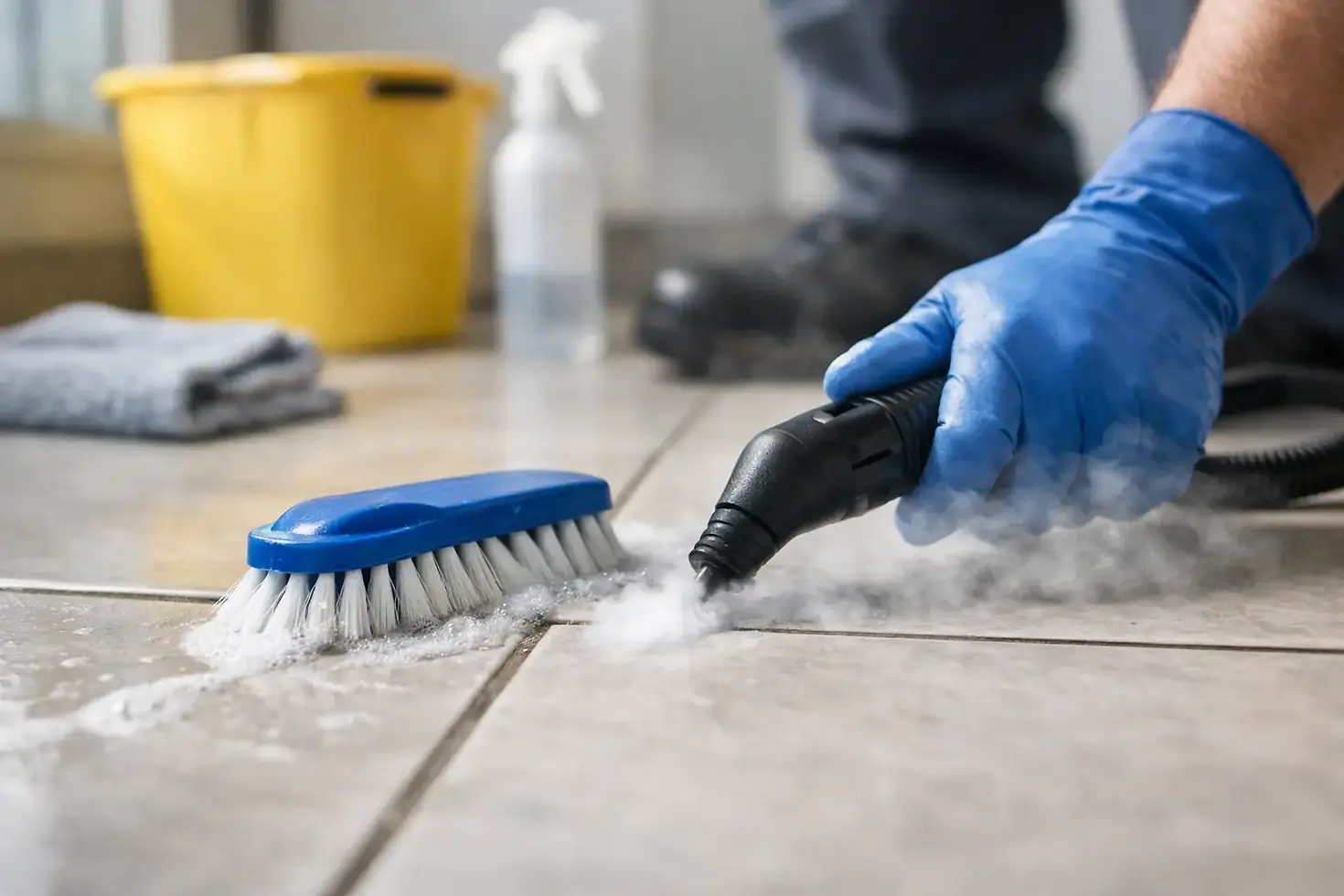
Tile Grout Cleaning Glasgow Done Properly

Grout rarely gets attention until it starts making the whole floor look tired. You can mop, scrub and rinse as often as you like, but once dirt settles deep into the joints, the tiles never quite look clean. That is usually the point where professional tile grout cleaning Glasgow property owners rely on starts to make real sense.
Grout is porous by nature. It absorbs moisture, traps grease, collects fine dust and holds onto the kind of everyday grime that ordinary cleaning products only touch at surface level. In kitchens, bathrooms, hallways and commercial washrooms, that build-up can turn pale grout dark, leave floors looking patchy and create hygiene concerns that are hard to ignore.
Why grout gets dirty so quickly
Tiles are the visible part of the floor or wall, but grout does most of the hard work. It sits lower than the tile surface, catches foot traffic residue and takes the brunt of spills, soap, cooking oils and tracked-in dirt. In busy homes, especially with children or pets, that process happens faster than most people expect.
The problem is not always neglect. In many cases, people are cleaning regularly, just with the wrong method. Too much water, harsh shop-bought chemicals or aggressive scrubbing can all make matters worse. Some products leave behind a residue that attracts more soil. Others can wear the grout down over time, leaving it rougher and even more likely to hold dirt.
Bathrooms bring their own issues. Soap scum, moisture and poor ventilation can leave grout discoloured and dull. Kitchens tend to suffer from grease and food splashback. In commercial premises, entrances, staff areas and toilet facilities often show heavy darkening because the grout is constantly under pressure from repeated use.
What professional tile grout cleaning in Glasgow actually does
A proper professional clean goes far beyond a quick wash and scrub. The aim is to break down embedded soil, lift contamination from the pores of the grout and restore a more even, fresher appearance across the floor or wall surface.
That starts with identifying the tile type and the condition of the grout. Not every hard floor responds well to the same treatment, and this is where experience matters. Some surfaces need a gentler approach. Others can handle more intensive agitation and extraction. The right process protects the finish of the tile while targeting the grime locked into the joints.
Specialist equipment makes the biggest difference. Professional hard floor cleaning systems use controlled pressure, heat and effective cleaning solutions to loosen dirt properly, then remove it rather than spreading it around. That matters because grout often looks worst when old contamination is disturbed but not fully extracted.
For customers, the main benefit is simple - visible results. Floors look brighter, grout lines appear cleaner and the whole room feels better looked after. In commercial settings, that can improve presentation straight away. In homes, it often gives a kitchen or bathroom a fresher feel without the cost and disruption of replacement.
DIY cleaning versus expert treatment
There is nothing wrong with routine maintenance at home. Regular sweeping, light mopping and prompt attention to spills all help. If the grout has only just started to dull, a careful clean with the right product may improve it.
But there is a point where DIY stops being cost-effective. If you have already tried multiple products, spent hours on your hands and knees and still have dark grout lines, the issue is usually deeper than a household brush can reach. The same applies when grout is heavily stained, uneven in colour or affected by years of build-up.
The trade-off is straightforward. DIY looks cheaper at first, but repeated attempts can waste time and money, especially if the wrong product damages the grout or leaves a residue. Professional treatment costs more upfront, but it tends to deliver a cleaner finish faster and with far less risk.
That matters even more in rented properties and commercial spaces where standards are visible. Landlords preparing for new tenants, businesses trying to maintain a clean appearance and homeowners getting ready to sell often need a result that looks noticeably better, not just slightly improved.
Signs your grout needs more than a basic clean
Some grout problems are obvious. Dark lines between light tiles, patchy staining around toilets or sinks, and blackened edges in shower areas usually point to embedded contamination. Other signs are more subtle.
If the floor still looks grubby after mopping, the grout is likely holding dirt beneath the surface. If certain areas smell stale or damp, trapped moisture and residue may be part of the issue. If you find yourself cleaning the same spots again and again with little improvement, it is a strong sign the soil is no longer sitting on top.
Older grout can also become fragile. In that case, harsh scrubbing is more likely to wear it down than restore it. A trained technician can spot the difference between grout that needs deep cleaning and grout that may need repairs or sealing support after cleaning.
Tile grout cleaning Glasgow homes benefit from most
The rooms that see the greatest improvement are usually the busiest ones. Kitchens respond well because grease, crumbs and daily foot traffic all settle into the joints. Bathrooms benefit because lighter grout often picks up soap residue, moisture staining and general dullness over time.
Hallways, utility rooms and entrance areas are also common problem spots. These areas take in mud, grit and outdoor residue that quickly works into textured tiles and grout lines. In family homes, these spaces can start to look older than they really are.
Commercial settings are just as affected. Office kitchens, reception toilets, shared washrooms and staff facilities all rely on clean hard floors to create the right impression. When grout is dark and stained, even otherwise tidy premises can look neglected.
The case for sealing after cleaning
Once grout has been professionally cleaned, sealing can be a smart next step. Not every floor needs it, but in many cases it helps protect the fresh result for longer.
A quality sealant reduces how easily the grout absorbs spills, dirt and moisture. That makes routine maintenance easier and slows down the return of staining. It does not make the floor maintenance-free, and it will not last forever, but it can be worthwhile in busy homes and high-traffic commercial areas.
Whether sealing is the right option depends on the tile type, the condition of the grout and how the area is used. A family kitchen or a business washroom may benefit more than a low-traffic spare room. This is one of those situations where the right advice matters as much as the cleaning itself.
Choosing a tile and grout cleaning service
If you are comparing providers, look beyond generic promises. Hard floor cleaning needs proper training, suitable equipment and an understanding of how different surfaces behave. A low quote is not much use if the process is rushed or the results do not last.
A reliable specialist should be able to explain how they assess the floor, what treatment is appropriate and what kind of result is realistic. Good companies are clear about pricing, straightforward about limitations and focused on safe, effective cleaning rather than one-size-fits-all claims.
That is where a service-led local business tends to stand out. Customers want strong results, but they also want technicians who turn up on time, communicate properly and treat the property with care. AquaSweep has built its reputation around exactly that balance - advanced equipment, trained operators and a friendly, dependable approach that makes booking simple.
Keeping grout cleaner for longer
After professional cleaning, maintenance becomes much easier. The key is to stop new residue from settling deep into the grout again. Sweep or vacuum regularly to remove dry soil before it gets wet and compacted. Use a suitable floor cleaner rather than heavy, sticky products, and avoid over-wetting the floor.
In bathrooms, ventilation helps more than many people realise. In kitchens, quick attention to grease and spills prevents build-up before it starts to set. For commercial premises, a regular maintenance plan is often the best way to protect presentation and avoid the need for more aggressive restoration later.
The bigger point is this: grout does not have to stay dark just because it has been dirty for a long time. With the right treatment, tired tiled areas can look cleaner, brighter and far more hygienic than many people expect. If your floor still looks worn out no matter how much effort you put in, that is usually a sign it needs specialist attention rather than another bottle from the supermarket shelf.
A clean tile surface is good. Clean grout is what makes the whole room feel finished.


Comments