


Can Carpet Cleaning Remove Allergens From Your Home?
- Carl

- 15 minutes ago
- 5 min read
Your carpet can look perfectly clean while holding a surprising amount of dust, pet dander and pollen below the surface. So, can carpet cleaning remove allergens? Yes, professional deep cleaning can significantly reduce the allergens trapped in carpet fibres, but the result depends on the cleaning method, the condition of the carpet and what is causing symptoms in the first place.
For families with young children, pets or allergy sufferers, this is about more than a fresher-looking floor. It is about reducing what gets disturbed every time someone walks across the room, sits down to play or lets the dog back in after a wet Glasgow walk.
Can Carpet Cleaning Remove Allergens Effectively?
A thorough professional clean can remove a substantial amount of the allergen-carrying material that settles into carpets. This includes household dust, pollen brought in on shoes and clothing, pet dander, dust mite debris and particles from outdoor pollution. Carpets act like filters: they catch particles that would otherwise remain circulating in the air. The downside is that, without regular care, that filter becomes overloaded.
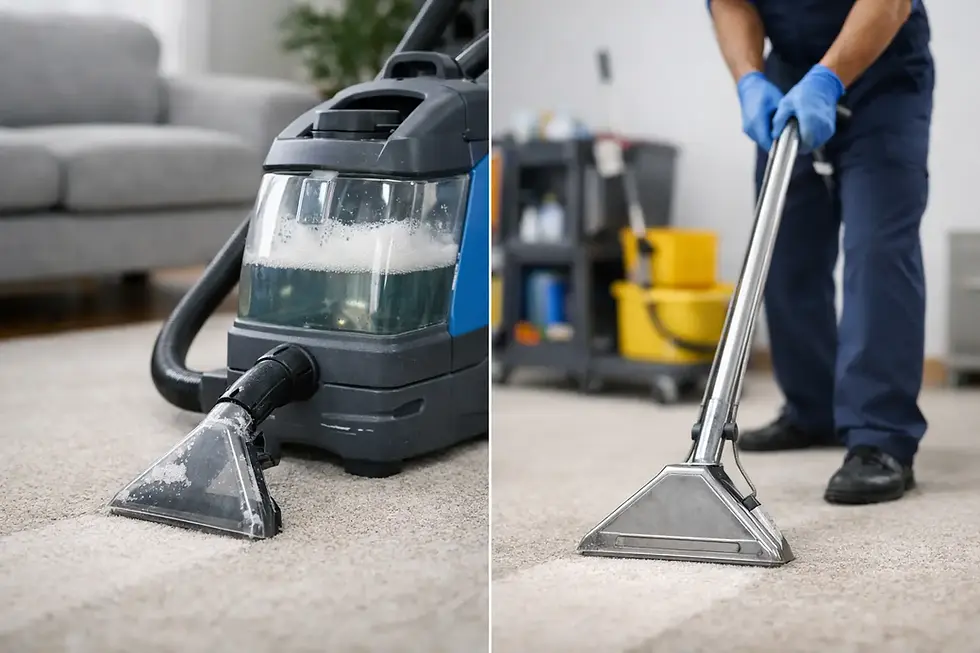
Vacuuming is the first line of defence, but even a good household vacuum has limits. Fine debris works its way down through the pile and can become embedded around the backing. A professional cleaning process uses industry-grade equipment, controlled moisture and powerful extraction to loosen and remove soil from deeper within the fibres.
It is worth being precise about the claim. Cleaning does not make a home completely allergen-free, and it cannot prevent pollen entering through open windows or pet dander being shed tomorrow. What it can do is reduce the built-up allergen load in the carpet, making the room easier to maintain and potentially more comfortable for people with sensitivities.
Which Allergens Can Build Up in Carpets?
The word “allergen” covers several different triggers. Knowing which one is affecting your household helps you decide whether carpet cleaning is likely to make a noticeable difference.
Dust mites and their waste particles
Dust mites thrive where there is warmth, humidity and a food source such as shed skin cells. They are common in soft furnishings, mattresses and carpets. The mites themselves are not usually the main issue - it is proteins in their waste particles that can trigger allergic reactions in susceptible people.
Professional cleaning can remove dust, skin flakes and debris that contribute to this build-up. However, if a room is persistently damp or poorly ventilated, cleaning should be paired with moisture control and regular vacuuming to keep the benefit going.
Pet dander
Pet dander is made up of tiny flakes of skin, saliva proteins and other particles associated with animals. It can cling to carpet fibres, upholstery and soft toys, long after visible pet hair has been removed.
A deep clean is particularly useful in homes with dogs or cats, especially in their favourite sleeping spots and on stairs. Pet odours may need separate treatment, as odour and allergen removal are related but not identical jobs.
Pollen, dust and outdoor particles
Pollen comes indoors through windows, doors, clothing and footwear. In busy urban areas, carpets can also collect fine dust and pollution particles. During high-pollen periods, these can build up quickly in entrance halls, living rooms and bedrooms.
Regular vacuuming helps, but a professional clean provides a useful reset after spring and summer or following building work, a house move or a particularly muddy season.
Mould-related particles
Carpet cleaning is not a cure for mould. If there is an active leak, flooding, condensation problem or visible mould growth, the moisture source must be resolved first. Cleaning a damp carpet without addressing the cause may allow the problem to return.
Where a carpet has been professionally assessed as suitable for cleaning, removing settled dirt and drying it correctly can support a healthier indoor environment. If the backing, underlay or subfloor has been badly affected, replacement may be the safer option.
Why Professional Cleaning Delivers Better Results
The difference is not simply that professional machines are more powerful. Good results come from the full process: inspecting the fibre type, identifying stains and problem areas, applying suitable products, agitating safely where needed, extracting thoroughly and managing drying time.
Over-wetting is a common concern, particularly with older carpets or delicate materials. Too much moisture can lead to prolonged drying, wicking marks or unpleasant odours. Too little extraction leaves cleaning residues and loosened soil behind. Trained technicians balance both, using methods appropriate to the carpet and the level of soiling.
Safety matters too. In homes with children and pets, cleaning products should be selected and used responsibly, with clear aftercare advice. A reputable specialist will not promise that every carpet is suitable for the same treatment or that a single visit will solve an ongoing air-quality issue.
How Often Should You Clean Carpets for Allergies?
There is no one timetable that suits every property. A lightly used guest room may only need professional attention every 12 to 18 months. A family living room with pets, children and daily foot traffic may benefit from cleaning every six to 12 months.
You may want to book sooner if someone in the household has worsening symptoms, if the carpet has a lingering pet smell, or if you can see dust collecting around skirting boards and under furniture. Tenants approaching the end of a tenancy and landlords preparing a property for new occupants also often choose a deep clean to improve presentation and hygiene.
For offices, reception areas and shared workspaces, the frequency depends on footfall. Regular maintenance is usually more cost-effective than waiting until carpets look heavily marked or complaints about dust and odours begin.
What to Do Between Professional Cleans
A professional clean has the strongest impact when it is supported by sensible day-to-day habits. Vacuum at least once or twice a week, and more often in high-traffic areas or homes with pets. Use a vacuum with a well-maintained filter, empty it carefully and replace filters according to the manufacturer’s guidance.
Take shoes off at the door where practical, especially during pollen season or wet weather. Wash pet bedding regularly, clean upholstered furniture as well as carpets, and wipe hard surfaces with a damp cloth rather than dry dusting, which can send particles back into the air.
Ventilation is also useful, but it needs a little judgement. Opening windows can reduce indoor stuffiness, yet on very high-pollen days it may bring more pollen indoors. If pollen is a known trigger, keep windows closed at peak times and change clothes after spending extended time outside.
When Carpet Cleaning May Not Be Enough
If symptoms continue after cleaning, the carpet may be only one part of the picture. Mattresses, curtains, sofas, cushions and pet beds can all hold allergens. A blocked or neglected ventilation system, indoor damp, a dusty radiator or a poor-quality vacuum filter can also contribute.
Persistent coughing, wheezing, rashes or breathing difficulties should always be discussed with a qualified health professional. Cleaning can reduce environmental triggers, but it is not medical treatment and should not be presented as one.
It is also sensible to be realistic about very old or damaged flooring. A carpet with severe contamination, repeated water damage or crumbling backing may not respond well enough to justify cleaning. An experienced technician should explain this honestly before work begins, rather than applying a one-size-fits-all solution.
A Cleaner Carpet Is a Practical Fresh Start
Allergens are often invisible, which is why carpet care can be easy to put off until stains or odours become obvious. But a properly cleaned carpet removes far more than surface marks. It reduces the dust and debris sitting underfoot, supports a more comfortable home and gives you a cleaner base for everyday maintenance.
For households across Glasgow and Lanarkshire, AquaSweep provides professional carpet care with trained technicians, advanced equipment and safety-conscious products suited to busy homes. If your carpets are due more than a quick vacuum, a professional assessment can help you choose the right treatment and start enjoying the room again.


Comments