


Deep Upholstery Cleaning for Pets That Lasts
- Carl

- 6 days ago
- 5 min read
A sofa can look perfectly presentable until the afternoon sun catches the armrest - revealing fur pressed into the fabric, dull patches where your dog always settles, and a lingering smell that air freshener cannot disguise. Deep upholstery cleaning for pets tackles what sits below the surface: trapped hair, skin oils, dried accidents, allergens and odour-causing bacteria within the fibres and cushioning.
For busy homes, this is not about chasing an unrealistic showroom finish. It is about making the place where your family relaxes feel clean, fresh and comfortable again, without using unsuitable products around children or animals.
Why pet mess clings to upholstery
Pet hair is only the visible part of the problem. Fine hairs work their way into woven fabrics, under seat cushions and along stitching, where vacuuming alone often cannot reach. Pets also transfer natural oils, outdoor dirt and saliva to the upholstery each time they climb up for a nap.
Urine is particularly challenging because it can travel beyond the surface fabric. If it reaches the foam or padding, the liquid may dry while the odour remains. On a damp day or when the room warms up, that smell can return seemingly out of nowhere. This is why simply spraying the area with a fragranced cleaner can make a sofa smell better briefly, but rarely solves the cause.
Dark fabrics can hide staining for longer, while pale linen, cotton and velvet can show marks quickly. Neither situation means the furniture is beyond saving. It does mean the cleaning method needs to match the fabric, the construction and the type of contamination.
What professional deep upholstery cleaning for pets involves
A proper service starts with assessment, not a one-size-fits-all machine setting. A trained technician checks the upholstery fibre, colour stability, existing wear, cushion filling and the areas your pet uses most. This matters because a delicate natural fabric, a heavily soiled synthetic suite and a modern velvet chair all need different handling.
Dry soil and loose pet hair are removed first. The fabric is then treated with appropriate cleaning solutions designed to break down body oils, soil and organic residues. For odour issues, an enzyme-based treatment may be needed to target the source rather than cover it with perfume.
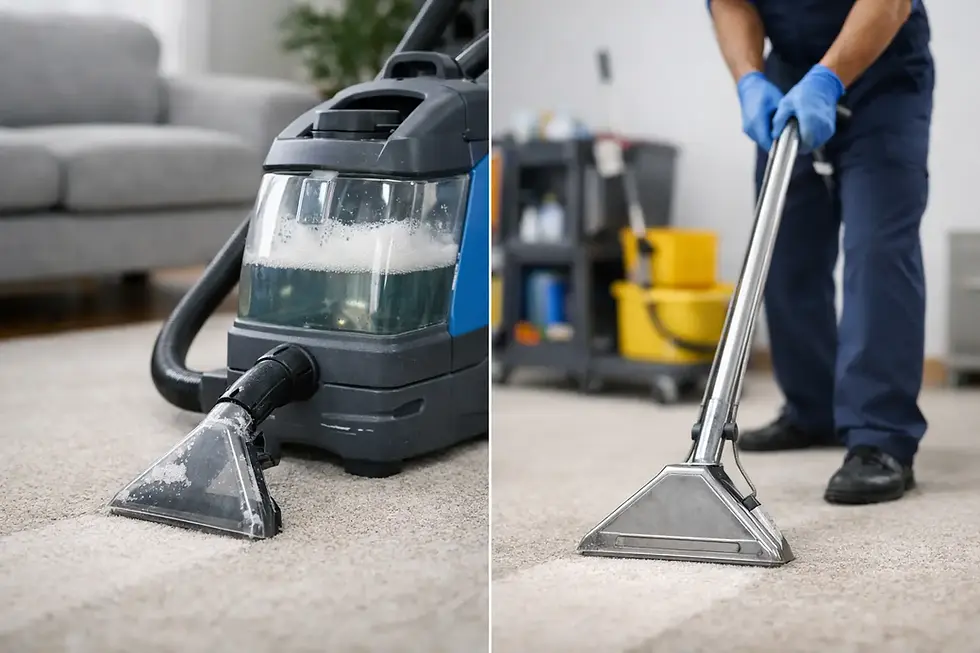
Industry-grade extraction equipment then lifts suspended dirt and moisture from the upholstery. The aim is a controlled, thorough clean with minimal residue left behind. Correct drying is just as important as washing. Good airflow and sensible aftercare help the furniture dry evenly and reduce the chance of musty smells developing.
At AquaSweep, pet-safe product selection and careful fabric testing are part of the process. A strong clean should not mean harsh treatment for your furniture or unnecessary concern for the people and pets sharing your home.
Stain removal and odour removal are different jobs
A stain is what you can see. An odour is what remains in the fabric, backing or cushion after the visible mark has faded. They often occur together, but they require separate attention.
For example, a recent muddy paw print may need a targeted stain treatment and extraction. A repeated pet accident on the same cushion may need deeper odour neutralisation, with treatment reaching the affected layers. The older the contamination and the more often it has occurred, the less sensible it is to promise a guaranteed complete removal before inspecting it. Honest advice matters here.
When DIY cleaning helps - and when it can make things worse
Quick action at home can prevent a fresh accident becoming a permanent mark. Blot liquid with clean white towels, working from the edge towards the centre. Avoid rubbing, which pushes soil further into the fibres and can spread the affected area. Keep pets away until the spot is fully dry.
However, home cleaning has limits. Over-wetting a cushion can push contamination deeper, leave water marks or create a damp smell. Using too much detergent can leave a sticky residue that attracts fresh dirt. Household products that are too alkaline, acidic or heavily fragranced can alter colour, stiffen fibres or make the original problem harder to treat professionally.
Be especially cautious with wool, cotton, linen, viscose, velvet and loose-weave fabrics. The label may provide a useful guide, but it does not reveal every risk associated with dyes, backing materials or previous treatments. If a stain is old, widespread, smells strongly, or has already been treated several times, a professional assessment is normally the safer route.
How to keep sofas fresher between appointments
A clean sofa stays cleaner when pet habits and everyday maintenance work together. Vacuum upholstery weekly using the correct attachment, including under removable cushions and around seams. A rubber brush or pet-hair tool can help lift stubborn hair before vacuuming.
Wash throws and pet bedding regularly, particularly if they sit on the sofa. Giving your pet a designated blanket or a washable cover protects favourite sleeping spots while keeping the furniture usable for everyone. Wiping muddy paws at the door also makes a bigger difference than most households expect, especially through Glasgow's wetter months.
For a new spill, blot promptly and use only a cleaner confirmed as suitable for the fabric. Test any product in a hidden area first. Do not saturate the upholstery, and do not apply heat to an unknown stain, as this can set protein-based marks.
Consider upholstery protection after cleaning
A professionally applied fabric protector can be a practical add-on for households with pets, children or high-use family seating. It helps spills sit on the surface for longer, giving you more time to blot them before they soak in. It can also make routine vacuuming and spot care easier.
Protection is not a force field. It will not stop claws from snagging fabric, prevent every dye transfer, or make a repeated pet accident harmless. Its value depends on the fabric, how the furniture is used and whether spills are dealt with quickly. For many families, though, it is a sensible way to protect the result of a deep clean.
How often should pet owners arrange a deep clean?
There is no fixed schedule that suits every household. A home with one short-haired indoor cat and a rarely used armchair may only need professional upholstery cleaning every 12 to 18 months. A family with two dogs, children and a well-loved corner sofa may benefit from an appointment every six to 12 months.
Book sooner if odours return after routine cleaning, cushions feel tacky or look dull, allergies seem worse indoors, or a pet has had repeated accidents. Landlords preparing a property between tenancies and businesses with upholstered waiting-area seating may also need a more frequent maintenance plan to protect presentation and hygiene.
The best timing is often before the furniture looks heavily soiled. Regular care is generally easier on fabrics than waiting until marks, odours and embedded dirt have built up over several years.
Choose a cleaner who treats the fabric, not just the symptom
Price matters, but upholstery cleaning is not simply a case of running a machine over a sofa. Ask whether the provider inspects and tests fabrics, uses treatments suited to pet odours, explains realistic outcomes and has the equipment to remove soil effectively without leaving the upholstery overly wet.
You should also expect clear communication about drying time, access, cushion care and any limitations. Some permanent stains, fading and wear cannot be cleaned away. A reputable specialist will tell you that upfront while still working hard to achieve the best safe result.
Your pet does not need to be banned from the sofa for the furniture to stay fresh. With prompt spot care, sensible protection and occasional professional attention, the family seat can remain a comfortable place for paws, people and everything in between.


Comments