


How to Deodorise Fabric Sofas Safely at Home
- Carl

- Jul 13
- 5 min read
A sofa can look perfectly clean and still hold onto yesterday’s takeaway, wet-dog smell or the faint mustiness that builds up in a busy family home. Knowing how to deodorise fabric sofas properly means dealing with the source of the smell, not simply covering it with a strong fragrance. The right approach can freshen your upholstery without leaving it soaked, faded or damaged.
First, work out what is causing the odour
Fabric fibres and the padding underneath them can absorb moisture, oils, food particles, smoke and pet accidents. That is why a quick spray often makes the room smell better for an hour or two, then the odour returns once the fragrance fades.
A stale, general smell is usually caused by everyday use, dust and trapped body oils. A sour smell may point to a spill that was not fully removed, while a musty odour can mean the sofa has stayed damp for too long. Pet urine, vomit and milk spills need more targeted treatment because they can travel beyond the surface fabric into the cushion filling.
Before applying anything, check the sofa’s care label. Most upholstered furniture has a cleaning code under a cushion or on its sewn-in label. “W” generally means water-based cleaning is suitable, “S” means solvent-based products only, “WS” allows either method, and “X” means vacuum cleaning only. If the label is missing, test any product on a concealed area first and allow it to dry fully before continuing.
How to deodorise fabric sofas with a safe home method
Start by removing loose debris. Take off cushions where possible and vacuum the frame, seats, backs, seams and underneath the cushions using an upholstery attachment. Pay particular attention to creases, piping and the gap between the arms and seats, where crumbs, pet hair and dust collect. This step matters because odours often cling to the dirt you cannot immediately see.
Once vacuumed, use a dry deodorising treatment for mild, everyday smells. Bicarbonate of soda is a sensible option for many fabric sofas because it helps absorb odours rather than mask them. Sprinkle a light, even layer across the fabric, avoiding heavy piles that are difficult to remove from seams.
Leave it in place for at least 30 minutes. For a sofa with a stronger stale smell, several hours is better, provided children and pets cannot disturb it. Vacuum slowly and thoroughly afterwards, going over each section more than once. If the sofa smells fresher, stop there rather than adding unnecessary products.
For light surface marks that are contributing to the smell, use a small amount of suitable upholstery cleaner according to its instructions. Apply the product to a clean white cloth rather than directly soaking the sofa. Blot gently from the outside of the mark towards the centre. Rubbing can spread the stain, roughen the fabric and push residue deeper into the cushion.
Use as little moisture as possible. Over-wetting is one of the main reasons a sofa develops a lingering damp smell after DIY cleaning. Open windows, keep the room ventilated and use a fan if needed. Do not sit on the sofa until it is completely dry.
Avoid fragrance-first fixes
Scented sprays can be useful as a finishing touch, but they are not an odour-removal method on their own. In fact, heavy perfume mixed with old food, pet or damp smells can make a room feel less fresh. If you choose a fabric freshener, use a light mist only after the sofa has been cleaned and dried.
Be cautious with essential oils too. They can leave oily patches on upholstery, and some are not suitable around pets or young children. Strong homemade mixtures containing undiluted vinegar, washing-up liquid or harsh disinfectants may also affect colour, backing materials or fabric protection treatments. A product being natural does not automatically make it right for every sofa.
Treating pet odours needs more than a surface clean
Pet odours are particularly persistent because they are often organic. If a dog has repeatedly slept on the same cushion, the problem may be skin oils and hair caught in the upholstery. Thorough vacuuming, bicarbonate of soda and careful drying may be enough for this type of smell.
Urine is different. The liquid can pass through the upholstery into foam, webbing and the base of the sofa before you notice it. A general cleaner may remove the visible mark while leaving behind odour-causing residue. When humidity rises, the smell can return.
For a recent accident, blot immediately with clean, dry towels. Press firmly to lift moisture, but do not scrub. Use a pet-safe enzymatic odour treatment that is suitable for your sofa’s cleaning code, and follow the dwell time on the label. Enzyme products need time to break down the residue, so rushing this stage often leads to disappointing results.
If the accident is old, widespread or has reached the internal padding, professional treatment is usually the more reliable option. A trained upholstery technician can assess the fabric, identify the likely source of the odour and use specialist treatments designed to reach deeper than a household spray.
When food, smoke or damp smells will not shift
Food and drink odours vary. A small fresh spill can often be dealt with quickly, but milk, greasy foods and sugary drinks can leave behind residue that turns sour over time. The same applies to spilled alcohol or a child’s snack ground into a cushion. If you are unsure what caused the mark, avoid mixing several cleaners in an attempt to solve it. Different chemicals can react badly or create a sticky residue that attracts more dirt.
Smoke odour can also be difficult because it settles on every exposed fibre. Regular vacuuming and ventilation help, but an older or heavily used sofa may need a professional deep clean and deodorising treatment to produce a lasting result.
Mustiness deserves attention too. If the sofa smells damp, check the room as well as the furniture. Condensation, a blocked air vent, drying clothes indoors or a spill that never dried properly can all contribute. Cleaning the sofa without addressing excess moisture in the room can leave you repeating the same job a few weeks later.
Common mistakes that make sofa odours worse
The temptation is to throw lots of product at a bad smell. In practice, less is often better. Avoid these common problems:
Soaking the upholstery, which can leave water marks and encourage a damp smell.
Using bleach, harsh disinfectant or unsuitable multipurpose sprays that may fade or weaken fabric.
Scrubbing stains aggressively, which can spread residue and damage the pile.
Mixing cleaning products, especially vinegar, detergents and commercial stain removers.
Replacing cushions before they are dry, trapping moisture where you cannot see it.
If you have used a product and the smell becomes stronger as the sofa dries, it may indicate that residue remains below the surface. Let the upholstery dry fully, ventilate the room and avoid applying more products until you know the next safe step.
Keeping fabric sofas fresher for longer
A little routine care prevents odours becoming embedded. Vacuum the sofa weekly if you have pets, children or frequent visitors, and at least every few weeks in lower-traffic homes. Rotate loose cushions, wash removable covers only if their label permits it, and deal with spills as soon as they happen.
Throw blankets can be useful on favourite pet spots or family seating areas, but they need regular washing. Otherwise, they simply transfer odours back onto the sofa. Keeping the room well ventilated and allowing damp coats, shoes and laundry to dry away from upholstered furniture also makes a noticeable difference.
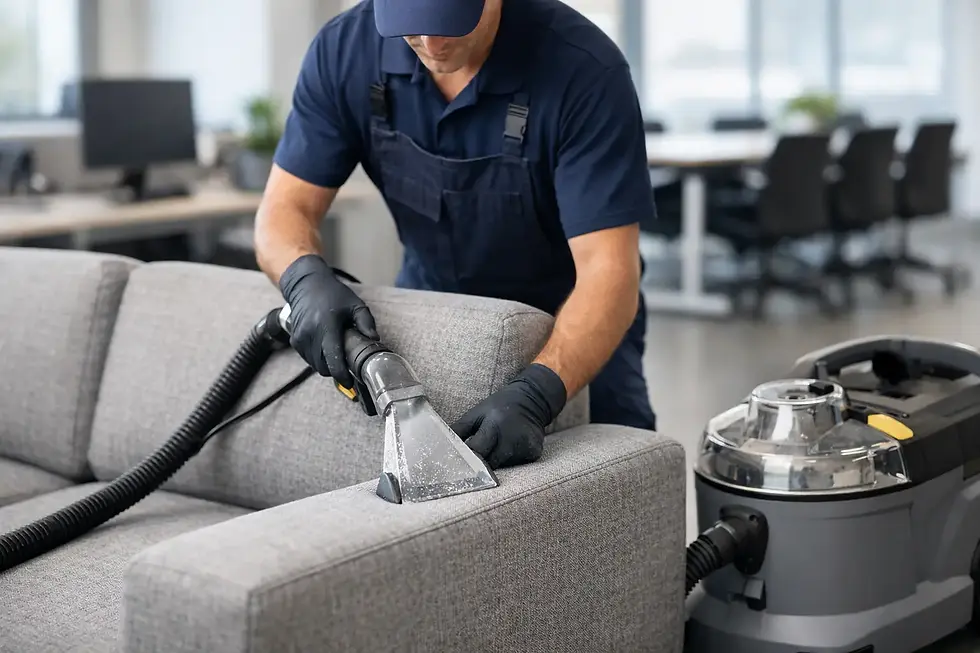
For households with recurring pet accidents, strong smoke odours, unexplained mustiness or a sofa that still smells after careful home treatment, specialist help can save time and protect the fabric. AquaSweep provides professional upholstery cleaning and odour treatments for homes across Glasgow and nearby areas, using technician-led methods and products chosen with children and pets in mind.
A fresh sofa should smell like nothing at all - clean, dry and ready for the next film night, family gathering or well-earned quiet evening.

Comments