

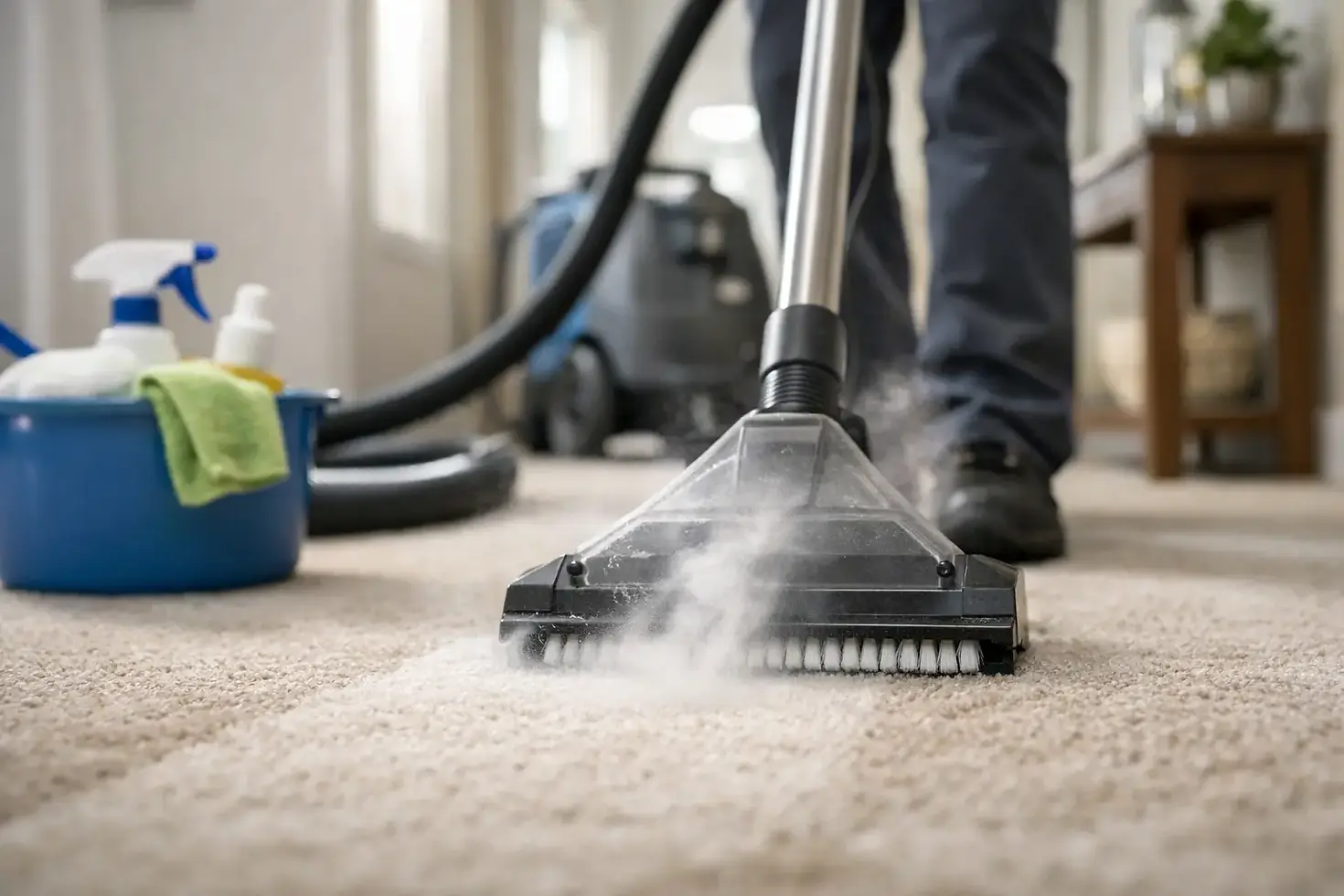
How to Freshen Hallway Carpets Without Overwetting
- Carl

- 3 days ago
- 5 min read
A hallway carpet can look tired long before the rest of the home does. It catches wet shoes, grit, pet hair, buggy wheels and the daily rush in and out. Knowing how to freshen hallway carpets properly means dealing with the dry soil and odours that build up beneath the surface, not simply masking them with fragrance.
The good news is that a fresher, brighter entrance does not always require a full replacement. A regular routine, careful spot treatment and the right timing for professional cleaning can make a noticeable difference while helping the carpet last longer.
Start by removing the dirt you cannot always see
Most hallway dullness comes from dry grit. Tiny particles are walked deeper into the pile, where they can make fibres look flat, grey or matted. In a busy family home, this can happen surprisingly quickly, particularly during wet Glasgow weather.
Vacuum the hallway slowly rather than giving it one quick pass. Make several passes in different directions, paying attention to the edges, skirting boards, under a console table and the area immediately inside the front door. A vacuum with a beater bar can be effective on many carpets, but use a gentler setting for delicate loop piles to avoid snagging fibres.
If your carpet is heavily trafficked, vacuuming two or three times a week is sensible. This may sound excessive, but removing abrasive grit early is one of the simplest ways to protect the pile. For communal entrances, offices and rental properties with constant footfall, daily vacuuming is often the more realistic standard.
Lift the pile, not just the surface dust
A hallway can develop clear walking lanes where the pile lies flat. After vacuuming, use a clean, soft carpet brush to gently lift the fibres in the opposite direction of travel. Do not scrub aggressively. The aim is to improve the carpet's appearance and loosen trapped debris, not rough up the yarn.
This small step is particularly useful before visitors arrive or when you are preparing a property for viewings. It will not remove deep staining, but it can make a clean carpet look more even and cared for.
Deal with marks before they become a pathway stain
Hallway marks are rarely one dramatic spill. More often, they are a gradual mix of muddy footprints, road salt, food residue and oils carried in on footwear. Treat fresh marks promptly, before they have time to bind to the fibres.
First, remove any solid material with a spoon or blunt edge. Then blot the affected area with a clean white cloth, working from the outside towards the centre. Avoid rubbing. Rubbing pushes soil deeper, spreads the mark and can distort the carpet pile.
For a small water-safe mark, lightly dab with a little lukewarm water and continue blotting with a dry cloth. Use only enough moisture to treat the spot. Soaking a hallway carpet can leave a tide mark, encourage lingering odours and make the area awkward to use while it dries.
If you choose a carpet spot cleaner, check the manufacturer's guidance and test it first in an inconspicuous corner. Different fibres, dyes and previous treatments can react differently. Never mix cleaning products, and be especially careful with strong household chemicals or bleach-based products. They can strip colour, damage backing and create a much bigger problem than the original mark.
Freshen odours without covering them up
A scented spray may make a hall smell pleasant for an hour, but it does not remove the source of odour. Pet paws, damp shoes and old spills can leave residues in the pile and backing, particularly around the door or near coat storage.
Begin with thorough vacuuming and allow the area to air. Open a window where practical and keep wet footwear on a washable mat rather than directly on the carpet. If a pet has had an accident, use a product designed specifically for pet odours and follow the instructions closely. General fragrance products can make the space smell stronger without solving the issue.
Bicarbonate of soda is often suggested as a home deodoriser. It can help with light, surface-level smells when used sparingly on a dry carpet, left for a short period and vacuumed completely. However, it is not a cure for urine, mould, dampness or deeply embedded odours. Using too much can also be difficult to remove from the pile and may affect vacuum performance.
If the smell returns after cleaning, or becomes more noticeable in damp weather, there may be contamination deeper in the carpet. That is the point to arrange a professional assessment rather than repeatedly adding more products.
How to freshen hallway carpets between deeper cleans
Prevention makes the biggest difference in an entrance area. Place a good-quality doormat outside and another absorbent mat just inside the door. The outside mat should catch mud and grit, while the indoor mat takes care of moisture. Wash or vacuum both regularly, otherwise they simply transfer dirt back on to the carpet.
Ask family members and visitors to remove outdoor shoes where possible. This is especially worthwhile in homes with young children, pets or pale carpets. If shoes must stay on, keeping a shoe tray by the door can limit wet marks and grit around the threshold.
Move lightweight hallway furniture occasionally. A narrow bench, umbrella stand or plant pot can create darker patches around its edges because the surrounding carpet receives more traffic and sunlight. Shifting items slightly helps you clean evenly and spots potential problems before they become permanent-looking marks.
For landlords and tenants, take dated photographs after a professional clean and keep a simple record of maintenance. It provides useful evidence of the carpet's condition and makes it easier to distinguish normal wear from avoidable staining at the end of a tenancy.
Know when a home clean is not enough
Routine care keeps a hallway presentable, but it cannot always remove the soil that settles deep in the fibres. Consider professional cleaning when the carpet still looks grey after vacuuming, the traffic lane remains visible, stains reappear after spot treatment or there is a persistent smell.
A trained technician can identify the fibre type, assess previous staining and select a suitable cleaning method and products for the carpet. This matters because over-wetting, harsh chemicals and unsuitable DIY hire machines can leave residue behind or create patchy results. For homes with children and pets, choosing a provider that uses safety-conscious products and gives clear aftercare advice offers valuable reassurance.
Professional cleaning is also worth scheduling before a move, after winter, following building work or ahead of putting a property on the market. In commercial hallways, reception areas and shared blocks, planned maintenance is usually more cost-effective than waiting until the carpet looks visibly neglected.
AquaSweep provides specialist carpet cleaning across Glasgow and nearby areas, with trained technicians, industry-grade equipment and practical advice for busy homes and workplaces. A quick quote can help you decide whether a stubborn hallway needs targeted treatment or a more complete refresh.
Keep the fresh result for longer
Once the carpet is clean, protect the result with simple habits. Vacuum before soil becomes visible, treat fresh marks carefully, keep wet footwear off the pile and clean your mats as part of the same routine. If a carpet protector is suitable for your flooring, it can give you extra time to deal with spills before they settle in, though it is not a substitute for prompt blotting and regular maintenance.
Your hallway is the first part of your home or premises people see. A few focused minutes each week, plus expert help when the dirt has travelled too deep, can keep that first impression clean, welcoming and far easier to maintain.


Comments