

Mattress Sanitising Service Glasgow Explained
- Carl

- Jul 11
- 5 min read
A mattress can look perfectly clean while holding everyday build-up from skin cells, body oils, dust, accidental spills and pet contact. A professional mattress sanitising service Glasgow homeowners, tenants and landlords can rely on is designed to treat what standard vacuuming and fresh bedding cannot reach - helping the bed feel cleaner, smell fresher and remain a more pleasant place to sleep.
For busy households, the value is practical. You spend around a third of your life in bed, and a mattress is not something that can simply go in the wash. The right specialist treatment gives it focused attention without harsh, unsuitable products or excessive moisture.
What a professional mattress sanitising service involves
Mattress sanitising is not a quick spray-and-go job. A proper service begins by assessing the mattress fabric, its condition and any areas of concern, such as marks, odours or old spillages. This matters because mattresses vary widely. A lightly used guest-bed mattress needs a different approach from a family bed dealing with years of daily use.
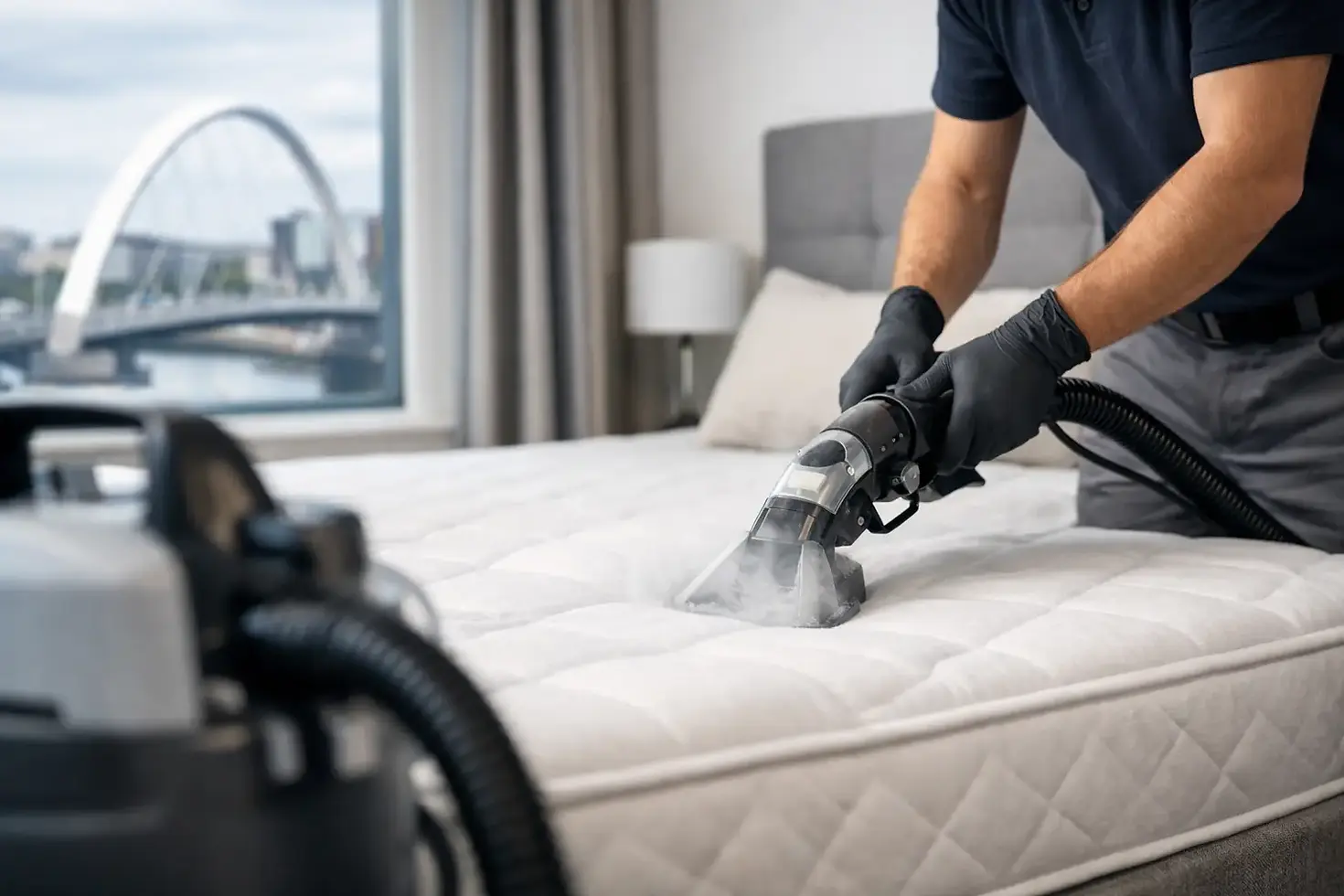
The surface is carefully vacuumed to remove loose dust, hair and dry debris. Trained technicians then use specialist equipment and appropriate cleaning solutions to lift embedded soiling from the upholstery layers, while treating the mattress with hygiene and odour control in mind. The aim is a deep, controlled clean that supports a fresher sleeping environment without soaking the mattress.
Any localised staining is treated according to its cause and the fabric response. This is where professional experience makes a real difference. Scrubbing a mattress with household products can spread a stain, leave a sticky residue or push moisture further into the filling. It can also affect delicate fabrics and leave the bed needing much longer to dry.
After treatment, powerful extraction helps remove loosened soil and moisture. Depending on the mattress type, room temperature, ventilation and the extent of treatment, drying times can vary. Good airflow is always helpful. Your technician should give clear aftercare advice so you know when the mattress is ready to remake.
When should you book mattress sanitising in Glasgow?
There is no single timetable that suits every household. For many homes, an annual professional clean is a sensible part of looking after a mattress, particularly where there are children, pets or allergy concerns. More frequent treatment may be worthwhile after an accident, illness, a spill, a period of dampness or a noticeable odour.
It is also a useful service when moving home. Tenants may want to refresh their own bed before settling into a new flat, while landlords can prepare furnished properties between lets. A clean, neutral-smelling mattress immediately improves the impression of a room and shows care for the next occupant.
Watch for the signs that everyday cleaning is no longer enough. Persistent mustiness, visible staining, a lingering sweat or pet odour, and an increased amount of dust around the bed are all good reasons to arrange an assessment. You do not need to wait until the mattress looks badly marked. Regular care is generally easier and more cost-effective than trying to reverse years of neglected build-up.
Families, pets and everyday accidents
Children and pets bring plenty of life into a home, but they can also bring unexpected mess. Drinks spill, toddlers have accidents and pets occasionally decide that the bed is theirs too. Acting promptly helps, but blotting alone cannot always remove what has reached beneath the surface.
A specialist sanitising treatment can help tackle the residue and odour left behind. Results depend on the age of the stain, the substance involved, previous DIY attempts and how deeply it has travelled into the filling. A reputable cleaner will be honest about what is realistically achievable rather than promising that every old mark will disappear completely.
Why DIY mattress cleaning can be a false economy
Mattress care advice online often suggests bicarbonate of soda, perfumed sprays or a rented machine. Some light maintenance steps have their place, but they are not a replacement for professional cleaning when there is a genuine hygiene issue, ingrained soil or stubborn odour.
Powders can be difficult to remove fully from quilted fabrics and may leave residue behind. Strong shop-bought chemicals can discolour material or create an overpowering fragrance that merely masks an odour. The biggest risk is over-wetting. Moisture trapped in a thick mattress takes time to dry and can create further problems if the room is poorly ventilated.
Professional equipment, measured products and tested methods allow technicians to use the amount of moisture needed for the job, then recover it efficiently. At AquaSweep, the focus is on safe, effective treatment using industry-grade equipment and products chosen with homes containing children and pets in mind.
What mattress sanitising can and cannot do
A professional treatment can make a meaningful difference to freshness, odours, surface marks and the general cleanliness of a mattress. It is particularly useful for removing built-up soil that ordinary household cleaning misses. It can also support a healthier-feeling bedroom by reducing the dust and debris held at the surface and within accessible layers.
However, sanitising is not a repair service and it cannot restore damaged springs, torn ticking, collapsed fillings or severe mould contamination. Nor should any cleaning company promise to cure allergies or eliminate every allergen from a mattress. If a mattress is badly damaged, heavily damp or has an ongoing mould issue, replacement may be the safer option.
That honesty is part of good service. Before work begins, the condition of the mattress should be assessed and the likely outcome explained clearly. You can then make a confident decision based on the mattress’s age, value and condition.
How to keep your mattress fresher between visits
Professional cleaning works best alongside simple, consistent care. Allow the bed to air after getting up where possible, rather than making it immediately and trapping overnight warmth. Wash bedding regularly at the appropriate temperature, vacuum the mattress surface occasionally using an upholstery attachment, and deal with spills quickly by blotting rather than rubbing.
A quality washable mattress protector is one of the most worthwhile additions you can make. It creates a barrier against everyday moisture and body oils, and it is far easier to launder than the mattress itself. Rotate or turn the mattress only if the manufacturer recommends it, as many modern mattresses are designed to be used one way up.
Keep bedrooms well ventilated, especially during colder Glasgow months when condensation is more likely. If the mattress sits on a solid base, check underneath occasionally for signs of restricted airflow or dampness. These small habits protect both the mattress and the work carried out during a sanitising appointment.
Choosing the right local specialist
Price matters, but it should not be the only consideration. Ask whether the provider has experience with mattress upholstery, whether they use professional extraction equipment, and what drying guidance they will provide. Clear pricing, convenient appointment options and evidence of trained, insured technicians all help you choose with confidence.
It is worth asking how stains and odours are assessed before treatment too. A good specialist will not use a one-size-fits-all approach. They will explain the process in plain English, flag any limitations and recommend the most suitable treatment for your mattress rather than selling an unnecessary add-on.
A clean mattress is not a luxury reserved for moving day or major accidents. When sleep, family life and a well-kept home all meet in the same place, booking a professional treatment is a straightforward way to give your bed the care it quietly needs.

Comments