


Mobile Upholstery Repairs and Leather Cleaning
- Carl

- Jul 15
- 5 min read
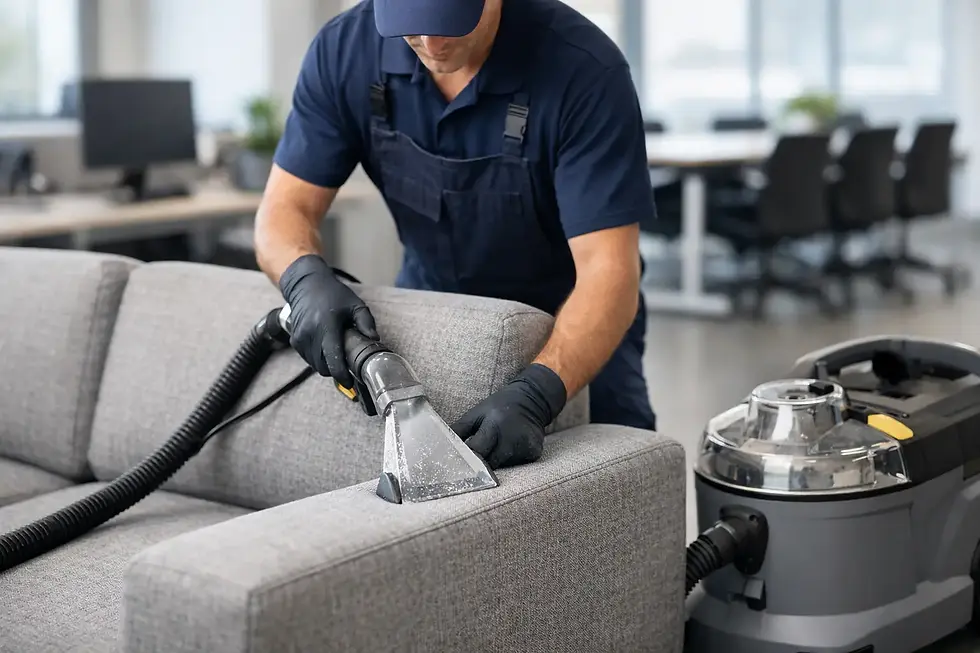
A sofa is where family life happens: muddy paws after a wet Glasgow walk, a child’s juice spill, takeaway nights, guests and the everyday pressure that leaves seating looking tired long before it should. Professional mobile upholstery repairs and leather cleaning bring the right equipment and trained care to your door, helping your furniture look cleaner, feel fresher and stay in use for longer.
For homeowners, tenants, landlords and businesses, the benefit is not simply convenience. Mobile specialist care means fabrics, finishes and problem areas can be assessed properly in the room where they are used. That leads to safer treatment choices, more realistic expectations and results that make a visible difference.
Why mobile upholstery care is worth booking
Moving a large corner sofa, dining chairs or reception seating to a cleaning facility is impractical for most people. It can also create unnecessary disruption. A mobile visit lets a technician inspect the upholstery in place, identify the material and tailor the treatment to the stain, soil level and condition of the item.
This matters because upholstery is rarely just one surface. Cushions may contain different fillings, armrests collect body oils, headrests attract hair products, and seat pads often hold food particles, pet hair and general dust well below the fabric’s surface. A quick household wipe may improve the top layer, but it rarely deals with the build-up causing dull colour, lingering odours or a sticky feel.
For commercial settings, regular on-site upholstery care helps keep customer-facing and staff areas presentable without taking furniture out of action for days. Offices, waiting rooms, rented properties and hospitality spaces all benefit from planned cleaning that works around opening hours and occupancy.
What upholstery repairs can solve
Not every worn sofa needs replaced. Mobile upholstery repairs can often address small but frustrating issues before they become bigger problems. A loose seam, damaged fabric panel, flattened cushion support, broken webbing or a wobbly chair base can affect comfort and appearance even when the rest of the furniture is in good condition.
The right solution depends on the construction of the furniture, the availability of suitable materials and the extent of the damage. A straightforward fault may be economical to fix at home. Extensive structural damage, badly weakened fabric or a discontinued material may make replacement or a specialist workshop solution more sensible. A reputable technician should be clear about that before work begins.
Repairs are particularly valuable for landlords preparing a property between tenancies. Addressing a damaged dining chair or a sagging sofa cushion can improve presentation at a fraction of the cost of replacing a whole set. For busy households, it is also a practical way to keep much-loved furniture comfortable and safe to use.
Leather cleaning needs a lighter touch
Leather is durable, but it is not maintenance-free. Body oils, pet contact, dust, denim transfer and everyday handling can leave it dull, marked or uneven. Using an all-purpose cleaner, washing-up liquid or harsh disinfectant can strip protective finishes, leave residue behind or make the surface feel dry.
Professional leather cleaning starts with identifying the finish and assessing its condition. Different leather types respond differently, so there is no one-size-fits-all product or process. The aim is to lift surface soiling carefully, clean the areas that receive the most contact and apply an appropriate conditioning treatment where suitable.
A well-cleaned leather sofa should look more even and feel more pleasant to sit on, rather than shiny, greasy or heavily coated. Conditioning can help maintain suppleness, but it cannot reverse every sign of age. Deep colour loss, cracking and heavy abrasion need an honest assessment. Setting realistic expectations is part of professional service, not a limitation to hide.
Common signs your leather seating needs attention
If the headrests and armrests are noticeably darker than the rest of the sofa, the surface feels tacky, or a pale leather suite has picked up dye from clothing, it is time to arrange a professional clean. The same applies if spills have left a visible mark or the furniture has developed an odour after pets, food or damp clothing.
Acting early is usually better than waiting. Fresh contamination is generally easier to treat, and regular care prevents soil from becoming more firmly embedded in the finish.
Stains, odours and hygiene: what a specialist can do
The most common call-outs are not dramatic accidents. They are the gradual build-up from everyday living: grubby armrests, drink marks, pet smells, biscuit crumbs, makeup, food spills and seating that no longer feels fresh. A trained upholstery technician uses professional-grade equipment and carefully selected products to target these problems without treating every fabric as if it were the same.
Stain removal is never a guarantee, particularly where a spill has dried, been repeatedly treated with shop-bought products or altered the fabric colour. Red wine, coffee, ink, grease and pet accidents all behave differently. The best approach is to explain what is likely to improve, test products where appropriate and use the least aggressive method that can achieve a worthwhile result.
Odour treatment also needs to deal with the source, not mask it with fragrance. Pet odours, for example, can penetrate fabric, backing and cushion fillings. Surface deodoriser alone may offer a short-lived improvement. A more thorough process can neutralise odours and leave the room feeling cleaner without overpowering scents.
For homes with children and pets, ask about the cleaning products being used, drying times and any aftercare guidance. Safety-conscious treatments and clear instructions make it easier to plan around family life.
Preparing for a mobile appointment
A little preparation helps the visit run smoothly. Clear personal items, throws and loose cushions from the seating where possible, and let the technician know about any previous cleaning attempts, stains or pet accidents. If parking is restricted, providing the details in advance can save time on the day.
You do not need to attempt a deep clean before the appointment. In fact, aggressive scrubbing can spread a spill, damage delicate fibres or set a stain further into the material. For a fresh spill, blot gently with a clean, dry cloth and avoid soaking the area. Then arrange professional advice as soon as possible.
Drying time varies with fabric type, soil level, room temperature and ventilation. Good airflow helps. Opening a window where practical and keeping the room comfortably warm can speed up drying, while allowing treated furniture the time it needs before heavy use protects the result.
Choosing a provider for mobile upholstery repairs and leather cleaning
The cheapest quote is not always the best value when furniture is expensive, sentimental or used every day. Look for a provider that can explain the process in plain English, assess the material before treatment and give clear pricing rather than vague promises. Training, experience, professional equipment and visible customer feedback all matter.
It is also worth asking whether the company can handle related issues such as stain treatment, odour control, sanitising and protective treatments. A protector can be useful for busy family sofas, dining chairs and rental properties because it gives future spills more time to be blotted before they soak in. It is not a force field, though, and prompt action still makes a difference.
AquaSweep provides professional mobile care across Glasgow and nearby areas, with flexible scheduling, straightforward quotes and trained technicians who treat every item with the attention it deserves. Whether it is a tired fabric sofa, a marked leather suite or seating that needs to be ready for new tenants or customers, the goal is simple: cleaner, fresher furniture with less disruption to your day.
Your furniture does not have to reach the end of its useful life just because daily living has left its mark. A timely inspection and the right professional treatment can protect the comfort, cleanliness and appearance of the spaces people use most.

Comments